Personality disorders are severe mental disorders characterized by disturbances in affect, identity, and relationships . Approximately 7.8% of the population has a personality disorder , and people with personality disorders represent about 20% of emergency department and 25% of inpatient mental health admissions . In mental health and primary care settings, borderline personality disorder is the most common personality disorder . Effective treatments for personality disorder exist, including dialectical behavior therapy and psychodynamic therapies . However, consumers with personality disorder often are not offered or are unable to access evidence-based therapies and thus have negative experiences when receiving mental health services .

How To Live With Someone With Dependent Personality Disorder Considering the perspectives of consumers and carers is recommended to improve mental health services , and is supported by government and mental health professionals . Participants provided informed written consent prior to study participation, following study approval from the Institutional Review Board. Two focus group discussions occurred simultaneously; one with consumers and one with carers, as requested by the participants.

Both focus groups were co-facilitated by 2 researchers with experience in personality disorders and group facilitation. The consumer focus group was co-facilitated by the consumer researcher. In addition, 1 mental health professional was present in each group to provide assistance to participants if they became distressed. Focus group questions were based on a guide that was co-designed by the authors. Some questions required participants to provide written answers or creative responses.

Questions differed slightly for consumer and carer participants. Open-ended questions were followed with relevant follow-up questions as required. Questions explored the quality of care experienced at different services, including mental health services and emergency services, and how the practice of health professionals could improve. Questions included, "What have you found most helpful about the services you have been involved in? ", "Is there anything you wish clinicians and service leaders better understood about individuals living with personality disorder?

" and "How can health professionals best support families and carers of individuals who have been recently diagnosed with personality disorder? A $50 voucher was provided to participants as compensation for their time. A systematic review of 38 studies examined the perspectives of consumers and carers regarding mental health services for individuals with BPD . While consumers and carers shared some consistent views, differences in opinion were observed, such as carers focusing on the lack of support they received from professionals. Comparing the consumer and carer experiences was limited because only five studies were found regarding the carer perspective, and only one study included the perspectives of consumers and carers. Therefore, more information is required regarding similarities and differences of consumer and carer views.

Multiple studies have investigated the experiences of consumers with personality disorder regarding mental health services. Consumers with personality disorder often do not receive an explanation of their diagnosis , or experience stigmatizing language and insufficient evidence-based information about their diagnosis . Consumers have also described negative responses from health professionals in the emergency department .

Other negative experiences include poor communication from professionals, and inappropriate treatment, such as not having concerns taken seriously . Increasing psychological and emotional support is recommended by consumers with personality disorder , including being supported by health professionals who help them understand their feelings . Carers discussed the importance of mental health professionals understanding the difficulties experienced by carers. Carers described receiving little support for themselves from mental health professionals.

"I had one registered nurse, who was special… who actually asked me how I was. Providing educational resources to carers was recommended, such as having brochures in hospital waiting rooms, offering educational groups, and providing links to online information. Experiences of mental health services have been studied from the perspectives of consumers with various mental illnesses and their carers. Consumers describe the importance of mental health professionals discussing diagnoses with consumers and carers, and providing hope and information regarding diagnosis . Regarding treatment planning, consumers want to be involved in their treatment decisions , although they are often excluded from participating in decision making . Further, consumers describe not being prepared for hospital discharge, not being involved in the decision to discharge, and not receiving adequate support following discharge .

Carers supporting consumers with a range of mental health problems express that they have little involvement in mental health services and little access to information on mental health services . Many carers believe they should have access to information about consumers, and report that confidentiality prevents them from receiving information about the consumer they support. Carers describe wanting respectful treatment for themselves and consumers, and better communication from mental health professionals, including education about specific disorders . Other barriers described by carers include poor communication between services, limited service accessibility, and receiving little information about consumer treatment plans . Carers also experience inconsistent assistance from mental health professionals in response to consumer mental health crises .

Because a family member with BPD may not be able to provide the empathy and self-awareness necessary for a relationship, it's vital to have other supports in your life. Carve out time to spend with friends and engage in leisure activities. If you need to talk about the experience of living with someone with a mental illness, support groups, mental health professionals, religious leaders, and your doctor can be excellent resources. You also should consider how to involve other family members in the care and support of someone with BPD.

No single person should be responsible for communicating calmly and responding to crisis situations. The more people who know effective strategies for responding to the individual, the less often crises will erupt. This finding is unsurprising given that a strong therapeutic alliance can facilitate recovery . Both positive and negative experiences with mental health professionals and first responders were described by consumers and carers.

Both groups suggested improving mental health professionals' knowledge and understanding regarding personality disorders. Research has shown that training can improve mental health professionals' understanding and attitudes . Increasing the accessibility and awareness of training may be required. Providing training to first responders and increasing public awareness of personality disorder may also help reduce stigma and discrimination . Personality disorders are a unique category in the world of mental illness. People with borderline personality disorder struggle to understand how wives, husbands, friends, and other family members experience their intense reactions, mood swings, and risky behavior.
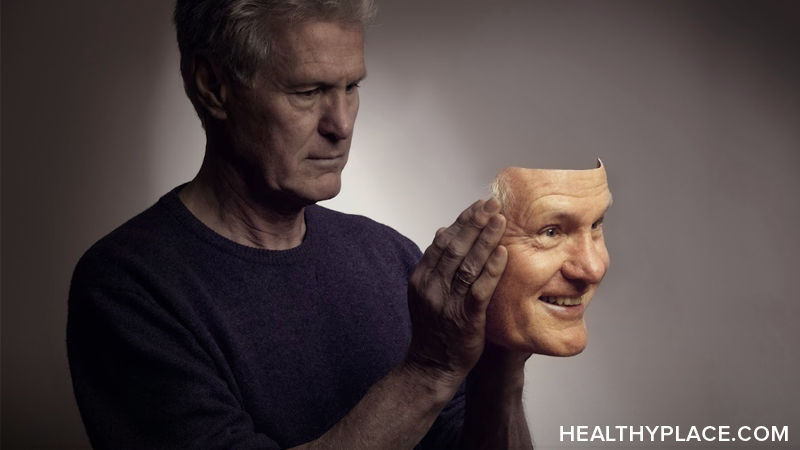
Family and friends of people with borderline personality disorder may also find therapy useful in helping them cope with caring for their loved one. Although data saturation occurred in the analysis of qualitative interviews, the small sample size used in the study may be a limitation as other views may not have been represented . Statements spontaneously reported by consumers and carers did reflect in detail findings from previous studies supporting that our sample was comparative to others in the literature. Further, the sample was predominately female, and the perspectives of male consumers and carers were limited, and it would be important to increase their participation in future research.

Consumers and carers were not always asked the same questions, making it difficult to compare their experiences in some topic areas. The groups were ran as semi-structured focus groups and the facilitators followed a guide, but were all responsive to the participants in the focus group and what they wanted to focus on. For example, consumers were not asked about carer involvement in assessment and treatment. Despite the limitations, the findings provide important information to improve services for individuals living with personality disorder and their carers. Future research could explore safe environments for consumers experiencing crisis, and expanded treatment options for personality disorders, including art therapy and peer support. In addition, there is a need to broaden our understanding of the variety and nature of consumer views of having carers involved in their assessment and treatment.

Perspectives of mental health services from carers supporting consumers with personality disorder have also been investigated. Carers often experience relationship difficulties with the consumers they support, and do not know where to find help . The majority of carers want support for themselves but find carer support services are unavailable or difficult to access . Carers can also experience difficulty supporting consumers to find mental health professionals and consistent services to provide support to consumers with personality disorder . In addition, many carers describe not receiving an explanation of the consumer's diagnosis and not being appropriately involved in treatment decisions .

People with borderline personality disorder tend to have major difficulties with relationships, especially with those closest to them. Their wild mood swings, angry outbursts, chronic abandonment fears, and impulsive and irrational behaviors can leave loved ones feeling helpless, abused, and off balance. Partners and family members of people with BPD often describe the relationship as an emotional roller coaster with no end in sight. You may feel like you're at the mercy of your loved one's BPD symptoms—trapped unless you leave the relationship or the person takes steps to get treatment.

While some participants reported that they did not respond well to the diagnosis initially, others readily embraced the diagnosis. One participant described receiving a diagnosis following a quick assessment, without receiving an explanation. "I spoke to her for, maybe, 60 to 90 minutes, and then she diagnosed me with borderline personality disorder… no one gave me any, sort of, information or anything. Factsheets that provide information about personality disorders, including symptoms and treatment options, were suggested to be given to consumers at diagnosis. The TARA for Borderline Personality Disorder's mission is to foster education and research in the field of personality disorders, like borderline personality disorder. Borderline personality disorder can be a confusing diagnosis, and there are many misconceptions about what people with BPD experience.

Educating yourself about the condition, its symptoms, and prognosis can help you gain a clearer understanding of what your loved one is going through. A personality disorder can affect how you cope with life, manage relationships, and feel emotionally. You may find that your beliefs and ways of dealing with day-to-day life are different from others and that you find it difficult to change them. You may find your emotions confusing, tiring, and hard to control. Because it is distressing, you may find that you develop other mental health problems like depression or anxiety.

You may also do other things such as drink heavily, use drugs, or self-harm to cope. Whether you suspect you have borderline personality disorder or you are just sure that something isn't right, it is important to ask for help. No one can beat a personality disorder or any other psychological disorders alone. Treatment from mental health professionals and support from those who care about you is essential in being able to manage this illness. It isn't easy to ask for help, but it is important to do so.

Turn to someone you trust to help you decide what to do next. This could be a close friend, a family member, your doctor, a caring nurse in your doctor's office, or someone you know who is a therapist or mental health professional. Borderline personality disorder often occurs with other mental illnesses. For example, a person with borderline personality disorder may be more likely to also experience symptoms of major depression, bipolar disorder, anxiety disorders, substance abuse, or eating disorders.

Borderline personality disorder is a mental health disorder that is characterized by ongoing patterns of changing moods, behaviors, and self-image. When a person has BPD, they often experience periods of intense feelings of anger, anxiety, or depression that can last for a few hours or a few days. The mood swings experienced by people with BPD can lead to issues with impulsive behavior and can contribute to relationship problems. Certain types of psychotherapy are effective for treating personality disorders. During psychotherapy, an individual can gain insight and knowledge about the disorder and what is contributing to symptoms, and can talk about thoughts, feelings and behaviors.

Psychotherapy can help a person understand the effects of their behavior on others and learn to manage or cope with symptoms and to reduce behaviors causing problems with functioning and relationships. The type of treatment will depend on the specific personality disorder, how severe it is, and the individual's circumstances. The current study explored and compared mental health service experiences from the perspectives of consumers with personality disorder and carers. The findings add to the ongoing concern about the stigma, prejudice and poor provision of services for people with personality disorder, despite some examples of high quality work being delivered.
In addition, the findings highlight similarities and differences in consumer and carer perspectives. Based on the findings, a number of guidelines are provided to inform the practice of health professionals who support consumers with personality disorder. Despite effective treatments for personality disorders being developed, consumers and carers often report negative experiences of mental health services, including challenges accessing these treatments. With borderline personality disorder, relationships are extremely challenging, but evidence from research suggests that when family is educated about BPD and involved and supportive, patients do better. Family psychoeducation is a strategy that involves teaching family members more about the condition and how to create an environment that is conducive to recovery. If you are diagnosed with BPD, family could be one of your strongest tools for getting well, so get them involved.

Borderline personality disorder has historically been viewed as difficult to treat. But with newer, evidence-based treatment, many people with borderline personality disorder experience fewer and less severe symptoms, improved functioning, and an improved quality of life. It is important for patients with borderline personality disorder to receive evidence-based, specialized treatment from an appropriately-trained mental health professional. Other types of treatment, or treatment provided by a provider who is not appropriately trained, may not benefit the patient. Identity disturbances are extremely common for those who have borderline personality disorder, and are marked by an unstable self-image and sense of self.

People who struggle with BPD experience sudden and dramatic changes in self-image, including rapidly shifting goals, values, and vocational ambitions. In addition to an unstable self-image, these individuals experience impulsivity in at least two different areas of their lives that put them in danger of potential harm. They may engage in a variety of risky behaviors such as substance abuse, spending recklessly, or binge eating. They may tend to display recurrent suicidal behaviors or threats and, in some cases, these may be accompanied by non-suicidal self-mutilation. While no medication has been approved to treat BPD, mood stabilizers may be used to treat impulsive behavior and many of the co-morbid conditions. Medication, though, is rarely effective without individual therapy and group or family therapy as the cornerstone.

Psychotherapy in the form of Dialectical Behavior Therapy is considered a gold standard and is nearly always chosen for treatment. This cognitive based therapy combines acceptance and change strategies to help individuals recognize their behaviors and mood swings, and process negative thoughts and feelings. The treatment goal is for patients to learn better coping mechanisms such as emotion regulation and distress tolerance skills. It's easy for teens and adolescents with borderline personality disorder to feel like they are the victims of a very cruel curse.

This personality disorder is often characterized by an intense fear of abandonment, unstable relationships and impulsive behavior that ultimately drives people away. "BPD makes me lash out, allowing some of the cruelest things to tumble from my mouth. And believe me, there are only so many times loved ones will forgive a lack of control," one person writes. Young people that have this disorder describe what it's like to live with it, in their own words. For carers, importance was placed on early assessment and intervention, which is supported by evidence and treatment guidelines .

However, consumers did not discuss early intervention, although they have previously described delays in receiving a diagnosis . Carers also focussed on being involved in the assessment and treatment of the consumers they support, although consumers did not mention this. In addition, carers focussed on improving support for carers, including having mental health professionals checking in on carers. However, consumers can have negative experiences of mental health professionals providing support to their carers . Therefore, professionals may need to find a balance when providing support to consumers and carers.

Alternatively, carers may seek their own supports through mental health professionals and support groups. Table3 provides a summary guideline of recommendations for health professionals arising from this research. Co-occurring disorders can make it harder to diagnose and treat borderline personality disorder, especially if symptoms of other illnesses overlap with the symptoms of borderline personality disorder. It usually appears during adolescence or early adulthood. People with BPD have extreme mood swings, unstable relationships and trouble controlling their emotions. They have a higher risk of suicide and self-destructive behavior.

Symptoms often lessen over time, and counseling and medication can help. Medicine is not recommended as the main treatment for borderline personality disorder, though it can sometimes help control symptoms. Medicine may be useful if the person with borderline personality disorder also has other mental health disorders, such as bipolar disorder, an anxiety disorder or depression. The importance of mental health professionals being specifically trained to work with people with personality disorders was discussed.